World War I Study Guide: The Great War
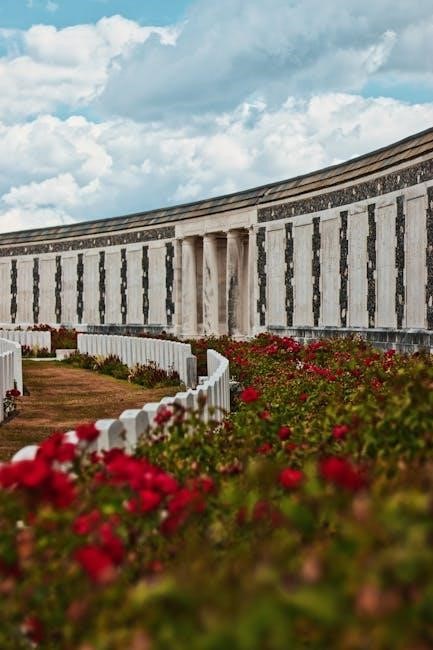
This guide explores the Great War’s origins‚ key events like the Lusitania sinking‚ and its lasting impact—especially Germany’s transition to the Weimar Republic.
Background to the War: Europe in 1914
In 1914‚ Europe presented a complex political landscape shaped by the aftermath of the Congress of Vienna in 1815. Germany‚ as a unified nation‚ didn’t yet exist‚ instead comprised of Brandenburg-Prussia and the German Confederation—a collection of independent states.
Italy similarly lacked national unity‚ existing as a fragmented assortment of regions. This period fostered rising nationalism and imperial ambitions‚ creating a volatile environment. The absence of strong‚ centralized powers in these regions contributed to the escalating tensions that would ultimately erupt into the Great War‚ reshaping the continent’s political map.
The Long-Term Causes of World War I
Several interwoven factors created a climate ripe for large-scale conflict in early 20th-century Europe. Intense nationalism fueled rivalries‚ while imperial competition for colonies heightened tensions between major powers. A complex alliance system‚ designed to maintain peace‚ ironically amplified the risk of a widespread war.
These interlocking commitments meant a localized dispute could quickly escalate‚ drawing in multiple nations. The combination of these long-term causes laid the groundwork for the devastating conflict that would soon engulf the continent and beyond.
Nationalism and Imperialism
A fervent sense of national pride and unity‚ known as nationalism‚ swept across Europe‚ fostering both cooperation within nations and competition between them. This often manifested as a desire for independence among ethnic groups‚ particularly in the Austro-Hungarian and Ottoman Empires.
Simultaneously‚ imperial ambitions drove European powers to aggressively expand their colonial holdings‚ creating friction as they clashed over territories and resources. This scramble for empire intensified rivalries and contributed to a volatile international atmosphere.
The Alliance System
A complex web of alliances obligated nations to defend one another in case of attack‚ transforming a localized conflict into a widespread war. The Triple Alliance (Germany‚ Austria-Hungary‚ and Italy – though Italy later switched sides) faced the Triple Entente (France‚ Russia‚ and Great Britain).
These agreements‚ intended to maintain peace through deterrence‚ ironically escalated tensions. A crisis involving one nation quickly drew in others‚ making diplomatic resolution incredibly difficult and accelerating the path to war.
The Spark: The Assassination of Archduke Franz Ferdinand
The assassination of Archduke Franz Ferdinand of Austria-Hungary in Sarajevo on June 28‚ 1914‚ served as the immediate catalyst for World War I. Gavrilo Princip‚ a Serbian nationalist‚ committed the act‚ fueled by desires for a unified Slavic state.
While not the sole cause‚ this event ignited the pre-existing tensions within Europe’s intricate alliance system. Austria-Hungary‚ backed by Germany‚ used the assassination as a pretext to issue a harsh ultimatum to Serbia‚ setting off a chain reaction.
The July Crisis and Mobilization
Following the assassination‚ the “July Crisis” unfolded as a period of intense diplomatic maneuvering. Austria-Hungary delivered a severe ultimatum to Serbia on July 23rd‚ demanding concessions that infringed upon Serbian sovereignty.
Germany offered Austria-Hungary a “blank check” of support‚ encouraging a firm stance. When Serbia partially accepted the ultimatum‚ Austria-Hungary declared war on July 28th. Russia mobilized to support Serbia‚ prompting Germany to demand Russia halt mobilization and France declare neutrality by July 31st.
Austria-Hungary’s Ultimatum to Serbia
Delivered on July 23rd‚ 1914‚ Austria-Hungary’s ultimatum to Serbia was intentionally designed to be largely unacceptable. It demanded Serbia suppress all anti-Austrian publications and dissolve organizations promoting pan-Slavism.
Crucially‚ Austria-Hungary insisted its officials participate in Serbia’s investigation of the Archduke’s assassination on Serbian soil – a violation of Serbian sovereignty. The ultimatum aimed to humiliate Serbia and justify military intervention‚ effectively seeking to crush Serbian nationalism and assert Austro-Hungarian dominance in the Balkans.
Germany’s Blank Check and Escalation
Germany’s unconditional support for Austria-Hungary‚ known as the “blank check‚” proved pivotal in escalating the July Crisis. Assuring Austria-Hungary of its backing regardless of the consequences‚ Germany emboldened Vienna to issue its harsh ultimatum to Serbia.
On July 31st‚ Germany demanded Russia halt mobilization and‚ shortly after‚ France pledge neutrality. These ultimatums‚ delivered with extremely short deadlines‚ were designed to provoke a response and justify German military action. This aggressive stance rapidly transformed a regional dispute into a continental war.
Key Combatants and Alliances
World War I pitted two major alliances against each other: the Allied Powers and the Central Powers; The Allied Powers‚ initially comprised of France‚ Britain‚ and Russia‚ later expanded to include Italy and the United States.
Conversely‚ the Central Powers consisted of Germany‚ Austria-Hungary‚ the Ottoman Empire‚ and Bulgaria; These opposing sides represented a complex web of treaties and national interests‚ drawing numerous nations into a devastating global conflict. The shifting allegiances and expanding involvement defined the war’s scope.
The Allied Powers (Triple Entente)
Initially formed by the Entente Cordiale between France and Britain in 1904‚ and solidified with the Anglo-Russian Entente in 1907‚ the Triple Entente represented a counterweight to the growing power of Germany and Austria-Hungary.
Russia’s commitment‚ though often strained‚ provided a crucial eastern front. Italy later joined in 1915‚ and the pivotal entry of the United States in 1917 dramatically shifted the balance of power‚ ultimately contributing to the Allied victory.
The Central Powers (Triple Alliance)
The Triple Alliance‚ originally forged in 1882‚ united Germany‚ Austria-Hungary‚ and Italy. However‚ Italy remained neutral at the war’s outset‚ eventually joining the Allied Powers in 1915.
Germany‚ driven by ambitions of imperial expansion and a strong military‚ served as the alliance’s core. Austria-Hungary‚ seeking to maintain its empire and suppress nationalist movements‚ was a key partner. The Ottoman Empire later joined‚ expanding the conflict into the Middle East.
Major Fronts of World War I
World War I was characterized by brutal fighting across multiple fronts‚ stretching from the Western Front’s entrenched stalemate to the vast Eastern Front.
The Western Front‚ dominated by trench warfare‚ saw horrific battles like the Marne‚ Verdun‚ and the Somme‚ resulting in immense casualties with minimal territorial gains. Simultaneously‚ the Eastern Front witnessed intense conflict between Russia and the Central Powers.
Other fronts included Italy‚ the Balkans‚ and the Middle East‚ each contributing to the war’s global scale and complexity.
The Western Front: Trench Warfare
The Western Front became synonymous with trench warfare‚ a brutal and static form of combat.
Elaborate systems of trenches‚ stretching for hundreds of miles‚ provided a degree of protection but also fostered horrific conditions – mud‚ rats‚ disease‚ and constant shelling.
Offensives aimed at breaking the stalemate‚ like the Somme and Verdun‚ resulted in staggering casualties for minimal territorial gains. “No Man’s Land‚” the area between opposing trenches‚ was a deadly zone.
The Eastern Front: Russia vs. Germany & Austria-Hungary
The Eastern Front presented a vastly different character than the Western Front‚ characterized by greater fluidity and immense territorial expanse.
Russia initially mobilized against both Germany and Austria-Hungary‚ experiencing early defeats due to logistical challenges and inferior equipment.
Battles were large-scale but less entrenched than in the West‚ with significant gains and losses for both sides. Internal pressures and the strains of war ultimately contributed to the Russian Revolution‚ leading to Russia’s withdrawal.
Key Battles and Events
World War I witnessed several pivotal battles that dramatically shaped the conflict’s trajectory and underscored its brutal nature.
The First Battle of the Marne in 1914 halted the German advance on Paris‚ preventing a swift victory.
Verdun‚ a protracted battle in 1916‚ became synonymous with horrific attrition‚ while the Somme‚ later that year‚ exemplified the devastating impact of modern warfare.
These engagements‚ alongside others‚ resulted in staggering casualties and demonstrated the stalemate gripping the Western Front.

The First Battle of the Marne
Fought in September 1914‚ the First Battle of the Marne represented a crucial turning point early in World War I.
The German Schlieffen Plan‚ aiming for a quick victory over France‚ was decisively checked by Allied forces along the Marne River.
French and British troops‚ reinforced by reserves‚ launched a counteroffensive that halted the German advance towards Paris.
This battle prevented a swift German victory and initiated the long period of trench warfare that characterized the Western Front.
The Battle of Verdun
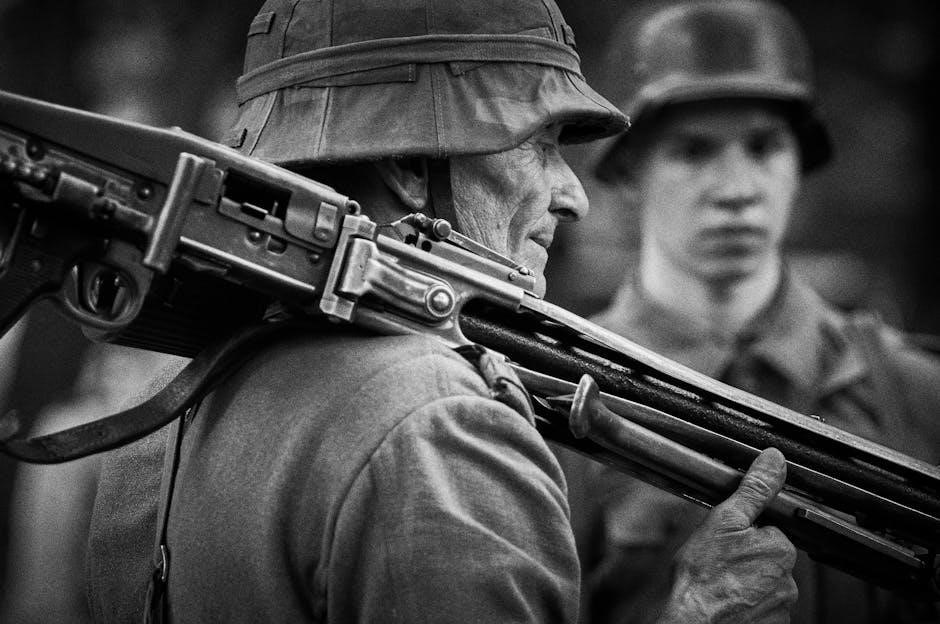
The Battle of Verdun‚ fought from February to December 1916‚ became synonymous with the brutal attrition of World War I.
German forces launched a massive offensive against the fortified city of Verdun‚ aiming to “bleed France white” through relentless attacks.
The French army‚ determined to defend Verdun at all costs‚ endured horrific casualties in a prolonged and desperate struggle.
Verdun ultimately became a symbol of French resistance‚ though at an immense human cost‚ with hundreds of thousands killed or wounded.
The Battle of the Somme
The Battle of the Somme‚ launched by the Allies in July 1916‚ exemplified the devastating scale and futility of trench warfare during World War I.
British and French forces aimed to relieve pressure on Verdun and break through German lines‚ initiating a five-month offensive characterized by relentless artillery bombardment.
On the first day alone‚ the British army suffered nearly 60‚000 casualties‚ marking the single bloodiest day in British military history.
Despite massive losses on both sides‚ the Somme resulted in minimal territorial gains‚ highlighting the stalemate of the Western Front.
Naval Warfare and Blockades
Naval conflict played a crucial‚ often overlooked‚ role in World War I‚ extending beyond dramatic battles to encompass crippling blockades and innovative submarine warfare.
Great Britain implemented a strict naval blockade of Germany‚ aiming to cut off supplies and weaken the Central Powers’ war effort‚ impacting civilian populations.
Germany responded with unrestricted submarine warfare‚ employing U-boats to target Allied shipping‚ a tactic that proved controversial after the sinking of the Lusitania in May 1915.
This event‚ resulting in over 1‚000 deaths including 128 Americans‚ significantly shifted public opinion and moved the US closer to intervention.
The British Naval Blockade of Germany
Britain’s naval supremacy allowed for a comprehensive blockade of Germany‚ designed to strangle its economy and limit its ability to wage war.
This wasn’t simply a military tactic; it aimed to restrict the import of food‚ raw materials‚ and essential goods‚ impacting both the German military and civilian population.
The blockade’s effectiveness grew as the war progressed‚ causing widespread shortages and hardship within Germany‚ contributing to declining morale and internal unrest.
While legally considered a legitimate wartime measure‚ the blockade’s severity sparked controversy and accusations of violating international law‚ particularly regarding neutral shipping.
German U-Boat Warfare and the Lusitania
Germany responded to the British naval blockade with unrestricted submarine warfare‚ employing U-boats to sink enemy and neutral vessels supplying Britain.
This tactic‚ while effective‚ proved highly controversial‚ particularly after the sinking of the Lusitania in May 1915.
The Lusitania‚ a British cruise liner‚ was torpedoed with over 1‚000 fatalities‚ including 128 Americans‚ sparking outrage in the United States.
The incident significantly shifted public opinion in America‚ moving it closer to intervention in the war‚ despite initial desires for neutrality.
The United States Enters the War
Initially maintaining a policy of neutrality‚ the United States gradually moved towards involvement due to several factors‚ including unrestricted submarine warfare and the sinking of the Lusitania.
German resumption of unrestricted submarine warfare in 1917‚ along with the revelation of the Zimmermann Telegram—a German proposal to Mexico for an alliance against the US—proved decisive.
On April 6‚ 1917‚ the US declared war on Germany‚ providing crucial manpower and resources to the Allied cause.
American entry significantly boosted Allied morale and ultimately contributed to the war’s outcome.
The Russian Revolution and Russia’s Withdrawal
Internal unrest and widespread dissatisfaction with the war effort culminated in the Russian Revolution of 1917‚ initially the February Revolution‚ then the October Revolution led by the Bolsheviks.
These revolutions overthrew the Tsarist regime and established a communist government under Vladimir Lenin‚ prioritizing domestic issues over continued participation in the war.
Facing mounting internal pressures and military failures‚ Russia signed the Treaty of Brest-Litovsk with Germany in March 1918‚ ceding vast territories.
This treaty effectively removed Russia from World War I‚ allowing Germany to concentrate its forces on the Western Front.
The End of the War and the Armistice
By 1918‚ the Central Powers were facing increasing strain‚ with dwindling resources and declining morale. A series of Allied offensives‚ coupled with internal unrest within Germany and Austria-Hungary‚ pushed them towards collapse.
Bulgaria surrendered in September‚ followed by the Ottoman Empire in October‚ and Austria-Hungary in early November.
Facing revolution at home and military defeat abroad‚ Germany sought an armistice.
On November 11‚ 1918‚ an armistice was signed‚ bringing an end to the fighting on the Western Front and effectively concluding World War I.
The Treaty of Versailles and its Consequences
The Treaty of Versailles‚ signed in 1919‚ formally ended World War I‚ but its harsh terms sowed the seeds of future conflict. Germany was forced to accept full responsibility for the war‚ disarm its military‚ and pay substantial reparations.
Territorial losses included Alsace-Lorraine‚ and significant portions of eastern Germany.
These punitive measures created widespread resentment and economic hardship in Germany‚ contributing to political instability.
The treaty also led to the creation of the Weimar Republic‚ a fragile democratic government struggling to cope with the aftermath of war and the treaty’s consequences.
Casualties and Losses of World War I
World War I resulted in unprecedented levels of destruction and loss of life. Estimates suggest over 9 million combatants were killed‚ and over 13 million civilians perished due to war-related causes like famine and disease.
The sinking of the Lusitania‚ with over 1‚000 deaths including 128 Americans‚ highlighted the war’s brutal impact.
Beyond fatalities‚ millions were wounded‚ many suffering lifelong disabilities.
Economically‚ the war devastated Europe‚ leaving nations burdened with debt and infrastructure damage‚ particularly impacting Germany post-treaty.
The Impact of World War I on Germany: The Weimar Republic
Germany’s defeat in World War I triggered immense upheaval‚ leading to the collapse of the German Empire and the birth of the Weimar Republic – a new democratic government.
However‚ the Republic was born into crisis‚ burdened by the harsh terms of the Treaty of Versailles‚ which imposed significant territorial losses and crippling reparations.
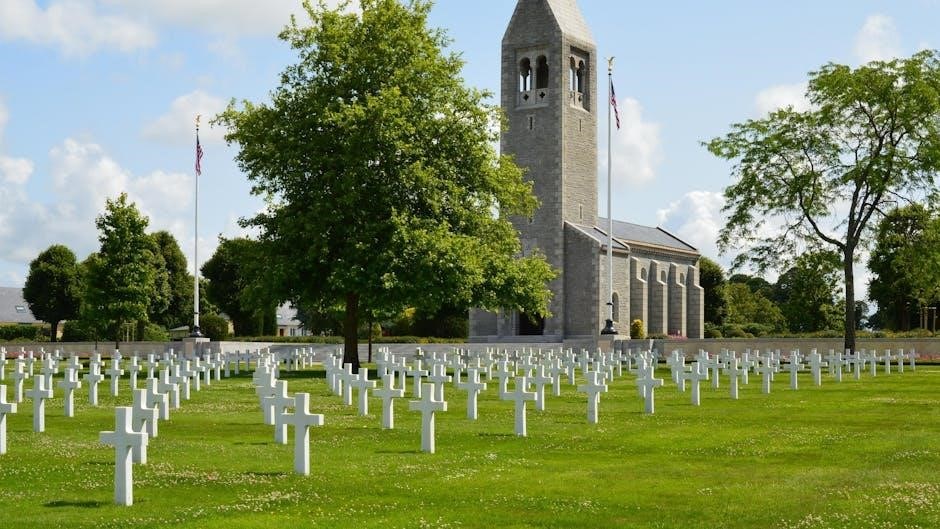
This economic strain‚ coupled with political instability‚ fostered resentment and created fertile ground for extremist ideologies to flourish.
The war’s aftermath fundamentally reshaped German society and politics.
Technological Advancements During World War I
World War I spurred rapid technological innovation‚ transforming warfare forever. The introduction of machine guns‚ poison gas‚ tanks‚ and airplanes dramatically altered battlefield tactics and increased the scale of destruction.
Naval warfare also saw advancements with the widespread use of submarines‚ notably German U-boats‚ which employed unrestricted submarine warfare‚ sinking vessels like the Lusitania.
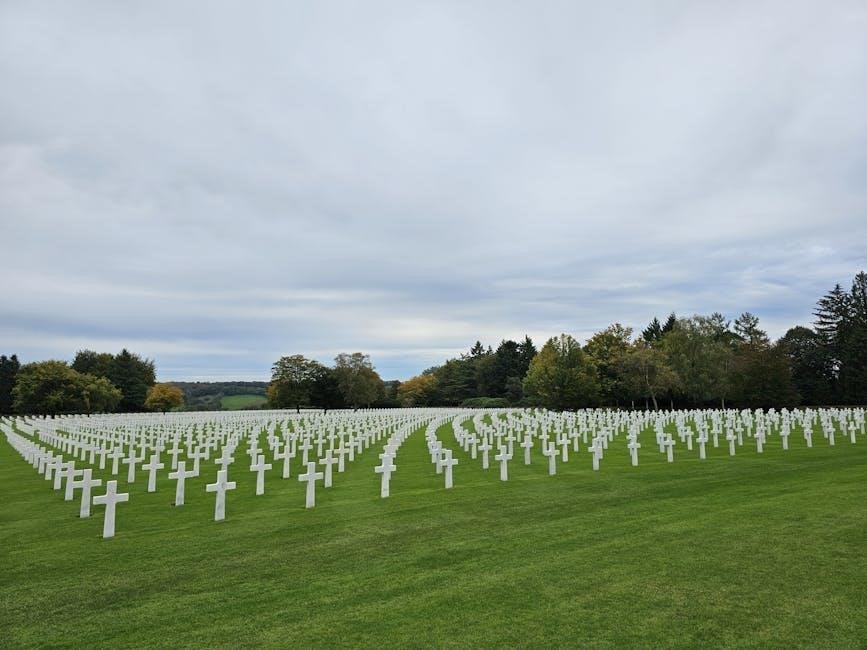
These new technologies contributed to the unprecedented carnage of the war‚ highlighting the devastating potential of modern weaponry.
Communication also improved with field telephones and wireless technology.
The Redrawing of the Map of Europe
The Treaty of Versailles and subsequent agreements dramatically reshaped the political landscape of Europe following World War I. The Austro-Hungarian and Ottoman Empires dissolved‚ giving rise to new nation-states.
Germany lost territory‚ and the German Confederation was fundamentally altered‚ reflecting a Europe vastly different from that before 1914.
Italy‚ previously a fragmented collection of states‚ gained territory‚ though national aspirations weren’t fully met.
These changes sowed the seeds for future conflicts.
The Legacy of World War I and its Connection to World War II
World War I’s unresolved issues and harsh consequences‚ particularly for Germany‚ directly contributed to the rise of extremist ideologies. The Treaty of Versailles fostered resentment and economic hardship within Germany.
This instability paved the way for the Weimar Republic’s struggles and‚ ultimately‚ the ascent of Nazism.
The failure of the League of Nations to prevent aggression‚ coupled with lingering nationalistic tensions‚ created a volatile environment.
These factors directly fueled the outbreak of World War II.