Screened In Porch Plans: A Comprehensive Guide (Free PDF Resources)
Discover readily available 12×16 gable porch roof plans, ideal for DIY projects, alongside resources like Plan7Architect for customized designs and building standard compliance.
Screened in porches represent a fantastic extension of living space, bridging the gap between indoors and outdoors while offering protection from insects and the elements. They provide a versatile area for relaxation, dining, and entertainment, enhancing your home’s functionality and value.
The appeal lies in their ability to create a bug-free zone, allowing you to enjoy fresh air and natural light without unwanted guests. Numerous resources offer free PDF plans, particularly for common sizes like 12×16, often featuring gable roof designs. These plans cater to various skill levels, empowering DIY enthusiasts to construct their own outdoor haven.
Software like Plan7Architect further simplifies the process, enabling customization and ensuring adherence to building standards. Whether seeking a simple retreat or a more elaborate outdoor room, a screened porch offers a rewarding home improvement project.
Why Choose a Screened In Porch?
Screened porches offer a compelling return on investment, increasing property value while providing a unique lifestyle enhancement. Unlike fully enclosed additions, they maintain a connection to the outdoors, offering fresh air and natural light. The primary benefit is insect protection, allowing comfortable enjoyment of your yard without mosquitoes and other pests;
Access to free PDF plans, especially for popular sizes like 12×16 with gable roofs, makes construction more accessible and affordable. Utilizing resources like Plan7Architect allows for personalized designs that complement your home’s architecture.
They extend your living space, creating an ideal area for dining, relaxing, or entertaining. A screened porch provides shelter from light rain and sun, making it usable throughout much of the year, a cost-effective alternative to a full addition.

Planning Your Screened In Porch
Careful planning, utilizing free 12×16 gable porch plans and software like Plan7Architect, ensures a successful build adhering to local codes and budgets.
Determining Size and Dimensions (12×16 Plans)
Choosing the right size for your screened in porch is crucial, and 12×16 plans offer a popular, versatile starting point. This dimension provides ample space for comfortable seating and outdoor dining without overwhelming your yard. Many free PDF plans available online specifically cater to this size, simplifying the design process for DIY enthusiasts.
Before finalizing dimensions, consider your intended use. Will it be a quiet reading nook, a lively entertaining space, or a dining area? Accurate measurements are essential, and utilizing architectural software like Plan7Architect can help visualize the porch’s footprint within your landscape. Remember to account for setbacks required by local building codes when determining the porch’s placement and overall size. A well-planned 12×16 porch enhances both functionality and property value.
Budget Considerations for Screened In Porch Construction
Constructing a screened in porch requires careful budgeting. Costs vary significantly based on materials – from foundation options to roofing and screening choices. While free PDF plans save on design fees, material expenses remain substantial. Framing lumber, roofing materials (especially for a gable roof), and screening itself contribute significantly to the overall cost.
Factor in potential expenses like electrical work for outlets and lighting, and consider if you’ll DIY or hire a contractor. Professional installation adds labor costs but ensures quality and code compliance. Utilizing architectural software like Plan7Architect can aid in accurate material estimation, minimizing waste and unexpected expenses. Remember to allocate funds for permits and potential unforeseen issues during construction.
Local Building Codes and Permits
Before commencing any screened in porch construction, thoroughly investigate local building codes and permit requirements. Regulations vary significantly by location, impacting foundation depth, roofing specifications, and structural integrity standards. Ignoring these rules can lead to costly rework or legal issues.
Your local building department is the primary resource for obtaining accurate information. Even utilizing free PDF plans doesn’t exempt you from code compliance. Ensure your chosen plans adhere to local regulations or are adaptable to meet them. Architectural software, such as Plan7Architect, can assist in designing plans that align with building standards. Factor permit fees into your overall budget and allow sufficient time for the approval process.

Free PDF Plan Resources
Explore numerous websites offering downloadable screened porch plans in PDF format, including options for 12×16 gable roofs, aiding your DIY construction journey.
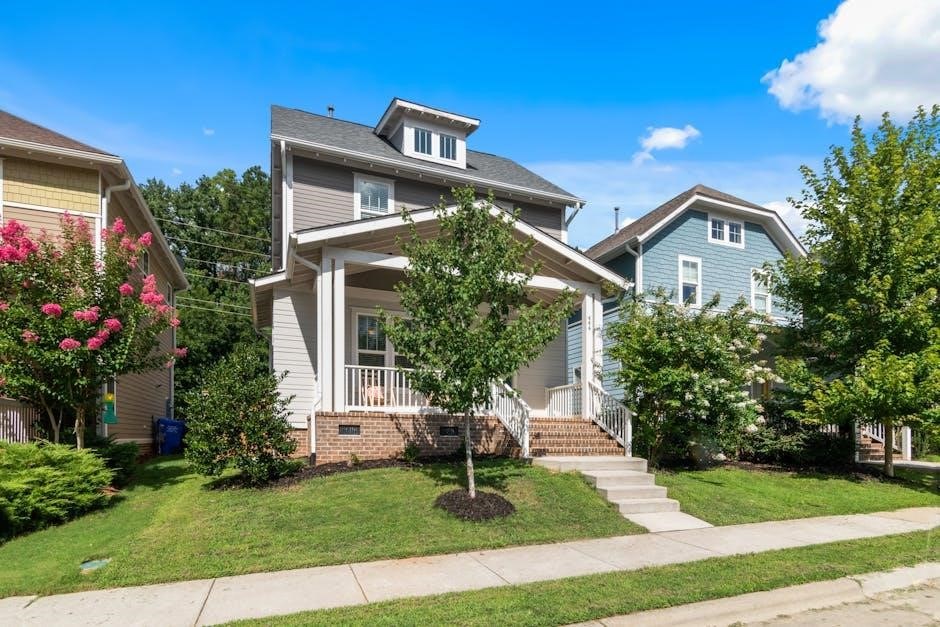
Where to Find Free 12×16 Gable Porch Roof Plans
Locating free 12×16 gable porch roof plans requires diligent searching online. Several websites specialize in providing architectural plans, though availability fluctuates. Many DIY enthusiasts share plans on forums and dedicated home improvement platforms. Remember to carefully vet any downloaded plan for accuracy and completeness before commencing construction.
Consider exploring resources that offer a range of porch designs, allowing you to adapt a plan to your specific needs. While completely free, detailed plans might be limited; however, they can serve as a solid starting point. Utilizing architectural software, like Plan7Architect, can then help you customize and refine these initial designs to meet local building codes and personal preferences. Always prioritize safety and structural integrity when working with any downloaded plans.
Popular Websites Offering Screened Porch Plans (PDF)
Numerous online platforms provide screened porch plans in PDF format, catering to diverse skill levels and budgets. While a truly “free” comprehensive plan can be elusive, many sites offer sample plans or limited versions as teasers. Searching for “free porch plans PDF” yields results from home improvement retailers and architectural design websites.
Remember to scrutinize the source’s credibility and user reviews before downloading. Some websites require registration or offer plans in exchange for contact information. Exploring forums dedicated to home building can also uncover shared plans and valuable insights; Utilizing tools like Plan7Architect alongside these plans allows for customization and ensures adherence to building standards, ultimately creating a safe and enjoyable outdoor space.
Understanding Plan Details and Symbols
Deciphering screened porch plans requires familiarity with common architectural symbols and terminology. PDF plans typically include detailed views of foundations, framing, roofing, and screening installation. Pay close attention to dimensions, material specifications, and notations regarding local building codes.
Key symbols represent elements like footings, posts, beams, joists, and roofing materials. Understanding these symbols is crucial for accurate construction. Utilizing architectural software, such as Plan7Architect, can aid in visualizing the plan and identifying potential issues. Always cross-reference the plan’s legend to ensure correct interpretation, and consult with a professional if any aspect remains unclear before commencing construction.
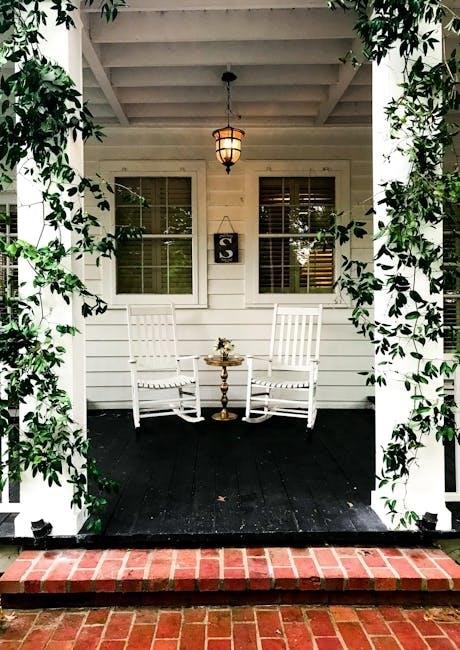
Construction Basics
Begin with a solid foundation, then expertly frame the porch structure, focusing on a durable gable roof—essential steps for a successful screened porch build.
Foundation Options for Screened In Porches
Selecting the right foundation is crucial for a stable and long-lasting screened in porch. Several options exist, each with its own advantages and disadvantages depending on your local climate, soil conditions, and budget. Concrete slab foundations offer excellent stability and are ideal for relatively level ground, providing a solid base for the entire structure.
Alternatively, pier and beam foundations are a cost-effective choice, particularly for uneven terrain. These utilize concrete piers or wooden posts to support the porch floor, allowing for airflow underneath. Another option is a gravel base, suitable for smaller, lighter porches, offering good drainage.
Careful consideration of frost lines and local building codes is paramount when choosing a foundation type. Proper preparation and adherence to regulations will ensure a secure and durable base for your screened in porch project.
Framing the Porch Structure
Framing forms the skeletal system of your screened in porch, providing structural support and defining its shape. Typically, pressure-treated lumber is used for all framing components to resist rot and insect damage. The process begins with constructing a sturdy subfloor, securely attached to the chosen foundation – be it concrete slab, piers, or beams.
Next, vertical posts are erected to support the roof structure, followed by the installation of headers and beams to create the porch’s perimeter. Rafters or trusses are then installed to form the roof’s framework, ensuring proper slope for water runoff.
Accurate measurements and precise cuts are essential for a square and level frame. Utilizing a level and square throughout the process guarantees a structurally sound and aesthetically pleasing porch.
Roofing Materials and Installation (Gable Roof Focus)
For a gable roof on your screened porch, selecting durable and weather-resistant materials is crucial. Asphalt shingles are a cost-effective and popular choice, offering a variety of colors and styles. Metal roofing provides longevity and a modern aesthetic, though at a higher price point. Wood shakes or shingles offer a rustic charm but require more maintenance.
Installation begins with applying underlayment to the roof deck for added protection against moisture. Roofing materials are then installed, overlapping each row to ensure a watertight seal. Proper flashing around chimneys, vents, and roof edges is essential to prevent leaks.
Ensure adherence to local building codes regarding roof pitch and material specifications for a safe and compliant installation.
Screening Options
Explore diverse screening materials – fiberglass, aluminum, or pet-resistant options – to balance visibility, durability, and functionality for your screened porch enclosure.
Types of Screening Materials Available
Choosing the right screening material is crucial for your screened porch’s comfort and longevity. Fiberglass screening is a popular, cost-effective option, offering good visibility and airflow, though it’s less durable. Aluminum screening provides superior strength and resistance to tears, making it ideal for areas with pets or high traffic.
Pet-resistant screening, often made from vinyl-coated polyester, is a robust choice for households with animals, preventing damage from claws. Solar screening reduces glare and heat gain, enhancing comfort during sunny days. Finally, consider no-see-um screening, which features a very fine mesh to keep even the smallest insects out. Each material presents a unique balance of cost, durability, and insect protection, influencing your porch’s overall enjoyment.
Screen Installation Techniques
Proper screen installation ensures a bug-free and aesthetically pleasing porch. Begin by ensuring your porch frame is smooth and free of sharp edges to prevent screen tearing. Roll out the screening material, allowing extra inches on all sides for trimming. Secure the screen temporarily with staples or tacks.
Using a screening spline and a spline roller, firmly embed the spline into the groove around the frame, stretching the screen taut as you go. Trim excess screen material with a utility knife. For larger openings, consider using screen clips or fasteners for added support. Regularly inspect the installed screen for any loose areas or tears, addressing them promptly to maintain effectiveness.
Maintaining Your Screened In Porch Screens
Regular maintenance extends the life of your screened porch enclosure. Periodically inspect screens for tears, holes, or loose spline, especially after storms. Clean screens gently with mild soap and water, avoiding harsh chemicals that can damage the material. A soft brush can remove dirt and debris effectively.
For stubborn stains, a specialized screen cleaning solution may be necessary. Replace damaged sections promptly to prevent insect intrusion. Consider applying a screen sealant to enhance durability and resistance to weathering. Annual inspections and proactive repairs will ensure your screened porch remains a comfortable and enjoyable outdoor space for years to come.
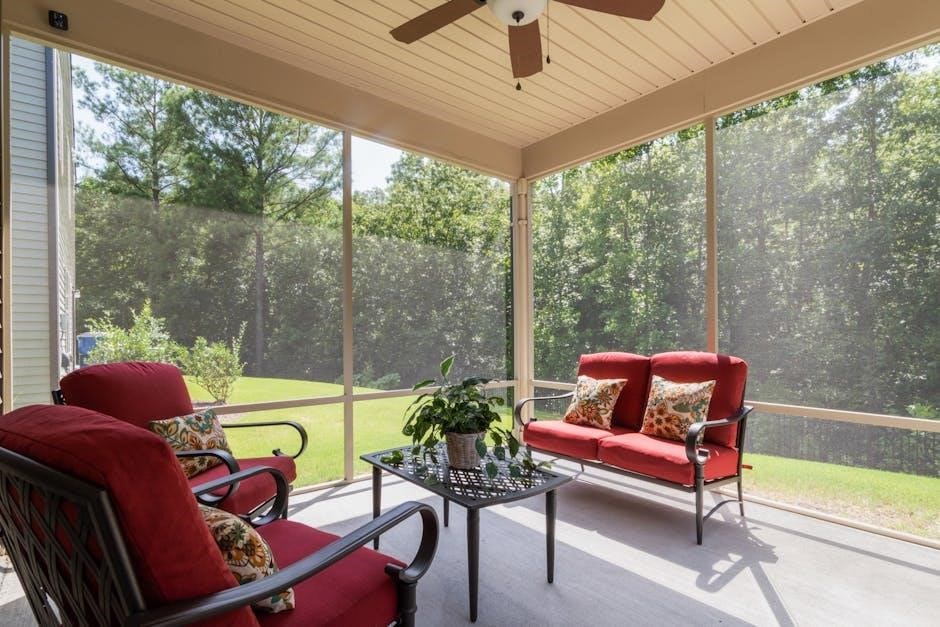
Enhancements and Add-ons
Elevate your porch with electrical outlets, lighting, and ceiling fans for added comfort and functionality, enhancing enjoyment of your outdoor living space.
Adding Electrical Outlets and Lighting
Integrating electrical components transforms a screened porch into a truly versatile space. Carefully plan outlet placement for convenience – consider locations for lighting, fans, entertainment systems, and charging devices. Outdoor-rated outlets and wiring are crucial for safety, adhering to local electrical codes is paramount.
Lighting options are diverse; recessed lights provide ambient illumination, while strategically placed sconces or pendant lights offer focused lighting for reading or dining. Don’t forget weatherproof switches and covers! A well-lit screened porch extends usability into the evening, creating a cozy and inviting atmosphere. Remember to consult a qualified electrician for all electrical work to ensure safety and compliance.
Incorporating Ceiling Fans
A ceiling fan dramatically enhances comfort on a screened porch, providing a refreshing breeze during warmer months. Opt for fans specifically designed for outdoor use, featuring moisture-resistant motors and blades. Consider the porch’s size when selecting a fan; larger porches require fans with a greater blade span for effective air circulation.
Installation requires secure mounting to the porch’s ceiling joists, ensuring it can withstand wind and weather. Wiring should be performed by a qualified electrician, adhering to all safety codes. Beyond functionality, ceiling fans add a stylish element to the porch’s design. Choose a style that complements the overall aesthetic, creating a relaxing and inviting outdoor living space.
Furniture and Decor Ideas for Screened In Porches
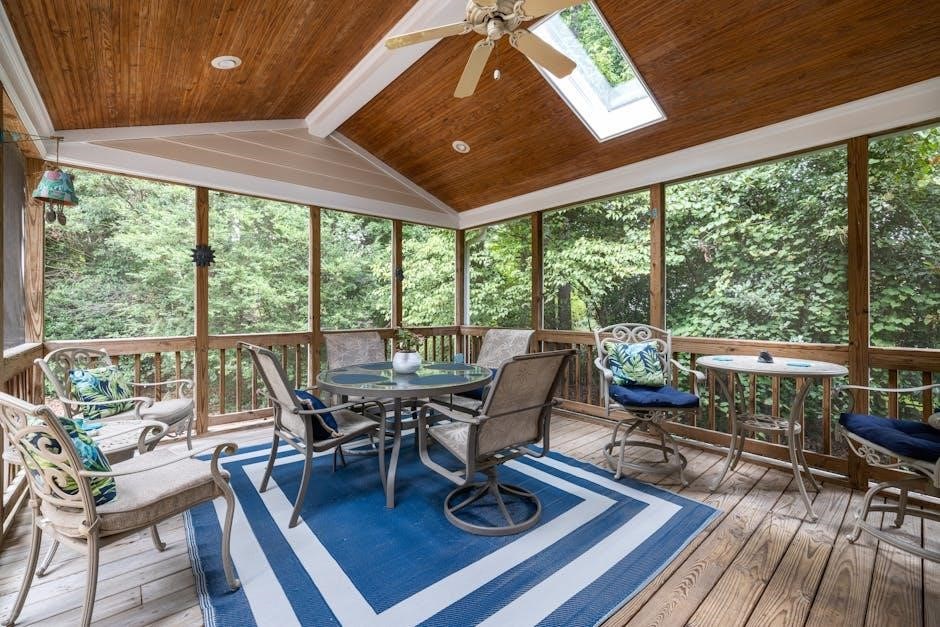
Transform your screened porch into a cozy retreat with thoughtful furniture and décor choices. Weather-resistant materials like wicker, teak, or aluminum are ideal for outdoor settings. Comfortable seating – sofas, armchairs, or rocking chairs – encourages relaxation and conversation. Add an outdoor rug to define the seating area and provide warmth underfoot.
Incorporate decorative pillows and throws for added comfort and style. String lights or lanterns create a warm ambiance for evening enjoyment. Plants, both hanging and potted, bring a touch of nature indoors. Consider a small side table for drinks and snacks, completing the inviting atmosphere. Personalize the space with artwork or decorative accents reflecting your taste.
DIY vs. Professional Installation
Evaluate your skills and compare costs; DIY offers savings, while a contractor ensures expertise and adherence to building codes for a seamless result.
Assessing Your Skill Level
Before embarking on a DIY screened porch project utilizing free PDF plans, honestly evaluate your construction capabilities. Consider your experience with framing, roofing – particularly gable roof construction – and foundational work.
Are you comfortable reading and interpreting detailed blueprints and understanding building codes? Proficiency in using power tools safely and accurately is crucial. If you’ve successfully completed similar projects, like deck building, you may be well-prepared.
However, if you lack experience in these areas, or are unsure about any aspect of the construction process, professional installation is strongly recommended. Incorrectly built structures can pose safety hazards and lead to costly repairs. Don’t hesitate to seek expert help when needed!
Cost Comparison: DIY vs. Contractor
Utilizing free PDF screened porch plans can significantly reduce upfront costs, but a thorough cost comparison is essential. DIY projects save on labor, potentially cutting expenses by 30-50%. However, factor in material costs, tool rentals (or purchases), permit fees, and potential for errors requiring rework.
Contractors offer expertise and efficiency, but come with higher labor costs. Obtain multiple quotes, detailing materials and labor separately. Remember that contractors often receive material discounts.
Consider the value of your time. A DIY project can take weeks or months, while a contractor may complete it in days. Weigh the financial savings against the time commitment and potential stress. Accurate budgeting is key to a successful outcome, regardless of your chosen approach.

Resources for Architectural Software
Explore Plan7Architect and similar tools to easily create floor plans adhering to international building standards, customizing free PDF screened porch plans effectively.
Plan7Architect and Similar Tools
For those embarking on a screened porch project, architectural software like Plan7Architect offers a streamlined design process. This professional-grade software empowers even beginners to craft detailed floor plans that meet rigorous international building standards. It’s particularly useful when adapting free PDF plans found online, allowing for customization to suit specific needs and site conditions.

Beyond Plan7Architect, several other software options cater to varying skill levels and budgets. These tools facilitate visualizing the porch’s integration with the existing home structure, experimenting with different layouts, and ensuring compliance with local regulations. Utilizing such software can significantly enhance the accuracy and efficiency of your screened porch construction, transforming basic PDF plans into a personalized outdoor living space.
Using Software to Customize Plans
Leveraging architectural software unlocks the potential to truly personalize free screened porch plans. While PDF plans provide a foundation, software like Plan7Architect allows adjustments to dimensions, material selections, and structural details. This is crucial for adapting a generic 12×16 plan to your specific property and aesthetic preferences.
Customization extends to incorporating features not included in the original plan – adding electrical outlets, ceiling fans, or modifying roof pitches. Software facilitates accurate visualization of these changes, ensuring they integrate seamlessly. Furthermore, it aids in generating precise material lists, minimizing waste and streamlining the construction process. Ultimately, software empowers you to transform a free plan into a bespoke outdoor living space tailored to your needs.